Sustainable Building in Nigeria: Is "Green Real Estate" the Future?
 Said M
Introduction As energy costs rise and the Nigerian climate becomes more extreme, the traditional way of building—heavy concrete with high AC dependency—is being challenged. "Green Real Estate" is moving from a luxury buzzword to a practical necessity for the Nigerian homeowner and investor.
Climate-Smart Design Sustainable building in Nigeria starts with passive cooling. This involves orienting buildings to minimize direct sun exposure and using high ceilings and cross-ventilation to reduce the need for air conditioning. Materials like Hydraform (interlocking soil-cement blocks) are gaining popularity because they provide better thermal insulation than standard sand-crete blocks, keeping interiors significantly cooler.
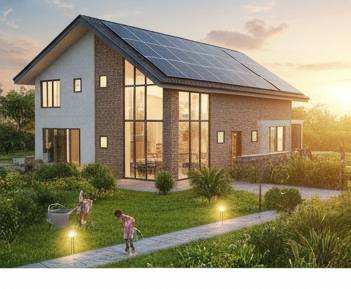
The Solar Revolution With the inconsistency of the national grid and the rising cost of diesel, solar energy has become the hallmark of green homes in Nigeria. Developers are now integrating solar panels and inverter systems into the initial building design rather than as an afterthought. For the buyer, this means a higher upfront cost but a massive reduction in long-term operational expenses.
Market Demand and ROI Are Nigerians ready to pay for "Green"? The answer is increasingly yes. Modern corporate tenants and high-net-worth individuals are prioritizing homes that offer "constant power" and lower utility bills. A green-certified building in Ikoyi or Abuja often commands a 15–20% premium in rental value over traditional counterparts because it solves the two biggest Nigerian headaches: heat and power outages.