Nigeria's Real Estate and Property Market Forecast 2026: Navigating the Pre-Election Year
 Said M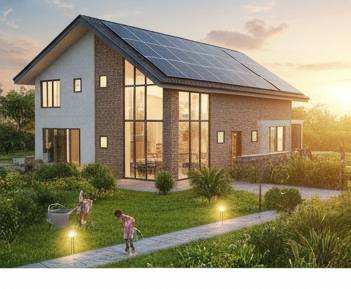
As Nigeria approaches its 2027 general elections, the nation's political landscape inevitably casts a long shadow over every sector, and the real estate and property market 2026 outlook: Nigeria pre-election year is no exception. This period is often characterized by a unique blend of heightened anticipation, cautious optimism, and strategic repositioning by investors and developers alike. Understanding the intricate dynamics at play – from economic shifts to policy uncertainties and evolving Investment Trends – is crucial for anyone looking to navigate this complex yet potentially rewarding market. This comprehensive guide delves into the anticipated performance, challenges, and opportunities within Nigeria's property sector as it braces for a pivotal electoral cycle, offering insights to inform strategic decisions.
Economic Landscape and Political Dynamics Shaping the Market
The pre-election year in Nigeria typically ushers in a period of economic recalibration, significantly influencing the real estate sector. Investor confidence, both local and foreign, tends to oscillate based on perceptions of political stability, policy continuity, and the overall economic direction. High inflation rates, fluctuating interest rates, and exchange rate volatility are common features of the Nigerian economy, and these factors are often amplified in the run-up to elections.
Government spending patterns can also shift, with a potential increase in infrastructure projects or social welfare programs designed to garner political support. While such spending can inject liquidity into certain segments of the economy, it can also lead to increased national debt and inflationary pressures. For the property market, this means:
Inflationary Impact: Rising construction material costs directly affect development viability and project timelines. Property values, while often seen as a hedge against inflation, can experience slower growth if disposable incomes are eroded.
Interest Rate Fluctuations: Higher interest rates make mortgage financing more expensive, potentially dampening demand for residential properties. Developers also face increased borrowing costs, impacting project feasibility.
Exchange Rate Volatility: A volatile Naira affects the cost of imported building materials and can deter foreign investors. Conversely, a weaker Naira might make Nigerian assets more attractive to those with stronger foreign currencies, though this is often offset by other risks.
The political rhetoric and policy proposals from various parties will also be closely watched. Any indication of potential changes in land use policies, taxation, or foreign investment regulations could prompt a wait-and-see approach from major stakeholders. A stable political environment, or the perception of one, is paramount for attracting and retaining Investment Trends in long-term assets like real estate. [INTERNAL_LINK: Impact of Government Policies on Real Estate]
Key Sector Performance and Emerging Investment Trends
Nigeria's diverse real estate market comprises residential, commercial, industrial, and retail segments, each responding differently to economic and political pressures. Understanding these nuances is vital for strategic investment.
Residential Real Estate: Demand and Affordability
The residential segment remains the largest and most dynamic. Despite economic headwinds, demand for housing, particularly affordable options, continues to outstrip supply due to rapid urbanization and a growing population.
Affordable Housing: This sub-sector is expected to see continued demand, driven by the middle and lower-income segments. Developers focusing on innovative, cost-effective construction methods and flexible payment plans will likely thrive.
Luxury Housing: The high-end market in prime locations like Ikoyi, Victoria Island, and Abuja's Maitama district tends to be more resilient, attracting high-net-worth individuals seeking investment vehicles or premium living spaces. However, sales volumes might experience a temporary slowdown as buyers adopt a cautious stance.
Rental Market: The rental market, especially in major urban centers, is expected to remain robust. Economic pressures often push potential homeowners into the rental pool, sustaining demand and potentially driving rental yields, particularly for well-located, quality properties.
Commercial, Retail, and Industrial Segments
Commercial Real Estate (Office Space): The office market, particularly Grade A spaces, might experience a slight softening as businesses defer expansion plans until after the elections. However, co-working spaces and flexible office solutions are likely to maintain their appeal, offering agility to businesses in uncertain times.
Retail Real Estate: The retail sector is heavily influenced by consumer purchasing power. With potential economic tightening, discretionary spending might reduce, impacting foot traffic and sales for malls and retail complexes. Neighbourhood retail, catering to essential needs, typically shows more resilience.
Industrial Real Estate: This segment, encompassing warehouses, logistics hubs, and manufacturing facilities, is a bright spot. Driven by e-commerce growth, manufacturing initiatives, and the need for efficient supply chains, demand for industrial properties is projected to remain strong. Investment Trends here are focused on modern, strategically located facilities.
Emerging Investment Trends
Digitalization and PropTech: The adoption of technology in real estate, or PropTech, is accelerating. Online property platforms, virtual tours, and digital transaction processes are becoming more prevalent, improving transparency and accessibility.
Real Estate Investment Trusts (REITs): REITs offer a way for smaller investors to participate in the property market. As awareness grows, these instruments could attract more capital, providing liquidity to developers and diversification options to investors.
Focus on Green and Sustainable Buildings: There's a growing global emphasis on sustainability. Developers incorporating green building practices, energy-efficient designs, and environmentally friendly materials are likely to attract environmentally conscious tenants and investors, potentially commanding premium valuations. [INTERNAL_LINK: Sustainable Real Estate Practices in Nigeria]
Infrastructure Growth and Urban Development as Catalysts
Infrastructure Growth is undeniably one of the most significant drivers of real estate value and development in any economy, and Nigeria is no different. The government's commitment to improving transportation networks, power supply, and other essential services directly influences property accessibility, desirability, and ultimately, market appreciation.
Impact of Infrastructure Projects
Road Networks: Improved road networks reduce travel times and enhance connectivity between urban centers and peripheral areas. This opens up new development corridors, making previously inaccessible or less desirable land more attractive for residential, commercial, and industrial projects. For instance, ongoing or planned expressways can transform rural fringes into burgeoning suburbs.
Rail and Port Development: Investments in rail infrastructure (e.g., the Lagos-Ibadan railway) and port expansions (e.g., Lekki Deep Sea Port) are critical for logistics and industrial growth. Areas around these hubs become prime locations for warehouses, factories, and commercial activities, leading to significant property value appreciation.
Power and Utilities: Reliable power supply, water, and sanitation infrastructure are fundamental for any sustainable development. Areas with guaranteed access to these utilities command higher property values and attract more residents and businesses. Government initiatives to improve power generation and distribution will have a ripple effect across the property market.
Urbanization and Master Plans
Nigeria's rapid urbanization continues to fuel demand for property in major cities. Lagos, Abuja, and Port Harcourt remain primary magnets for migration, leading to continuous expansion and the need for planned urban development.
New City Developments: Projects like Eko Atlantic City in Lagos or various smart city initiatives represent ambitious urban planning efforts. These developments aim to create self-sustaining communities with modern infrastructure, attracting high-end residential, commercial, and hospitality investments.
Satellite Towns: As major cities become saturated and expensive, satellite towns and peri-urban areas gain prominence. Government and private sector efforts to develop these areas with adequate infrastructure can create new growth poles for affordable housing and commercial activities. This decentralization helps alleviate pressure on congested city centers while spreading development benefits.
Regenerative Projects: Urban renewal and regeneration projects in older parts of cities can also unlock significant real estate value. Modernizing existing infrastructure and redeveloping dilapidated areas can create new vibrant districts, attracting both residents and businesses.
The pre-election year may see an acceleration of certain infrastructure projects as the incumbent administration seeks to showcase achievements. This can create immediate opportunities for developers and investors who are strategically positioned to capitalize on these developments. However, potential shifts in government priorities post-election could also lead to delays or re-evaluation of ongoing projects, a risk factor to consider.
Technological Advancements and Sustainability in Property
The Nigerian real estate sector is increasingly embracing technology and sustainability, two trends that are reshaping how properties are developed, marketed, and managed. These advancements not only offer efficiency gains but also cater to a new generation of environmentally conscious and tech-savvy consumers.
PropTech Innovations
PropTech, the integration of technology into real estate, is revolutionizing the industry in Nigeria.
Digital Platforms and Marketplaces: Online platforms for property listings, virtual tours, and digital transactions are making the market more transparent and accessible. These platforms reduce geographical barriers, allowing buyers and investors to explore properties from anywhere.
Blockchain Technology: While still nascent, blockchain has the potential to streamline property transactions, enhance security, and reduce fraud through immutable records of ownership and transfers. This could significantly improve trust and efficiency in a market often plagued by land title issues.
Data Analytics and AI: Leveraging big data and artificial intelligence helps developers and investors make more informed decisions. Predictive analytics can identify emerging market trends, optimal pricing strategies, and potential investment hotspots, moving beyond traditional market research.
Virtual and Augmented Reality (VR/AR): VR and AR are transforming property viewing experiences. Potential buyers can take immersive virtual tours of properties, including those still under construction, providing a realistic sense of space and design without physical presence.
Green Building Initiatives and Sustainable Development
Sustainability is no longer a niche concept but a growing imperative in Nigerian real estate. Developers are increasingly recognizing the long-term benefits of green building practices.
Energy Efficiency: Designing buildings with energy-saving features, such as solar panels, efficient HVAC systems, and natural ventilation, reduces operational costs and environmental impact. This is particularly attractive in Nigeria given inconsistent grid power.
Eco-Friendly Materials: The use of locally sourced, sustainable building materials not only reduces carbon footprint but can also cut down construction costs and reliance on imports.
Smart Homes and Buildings: Integrating smart technology into properties allows for automated control of lighting, temperature, security, and appliances. These features enhance convenience, security, and energy management, appealing to modern buyers seeking comfort and efficiency.
Water Conservation: Implementing rainwater harvesting systems, efficient plumbing fixtures, and wastewater treatment solutions addresses water scarcity issues and promotes responsible resource management.
The adoption of these technologies and sustainable practices is not just about environmental responsibility; it's also a strategic business decision. Properties that are energy-efficient, technologically advanced, and environmentally friendly often command higher market values, attract discerning tenants, and offer better long-term returns on investment. As global awareness of climate change grows, and with Nigeria's commitment to sustainable development goals, these trends will only strengthen, influencing future Investment Trends in the property market.
Challenges and Opportunities for Investors and Developers
Navigating Nigeria's real estate landscape, especially during a pre-election year, comes with its own set of challenges and unique opportunities. Strategic planning and a deep understanding of market dynamics are crucial for success.
Key Challenges
Regulatory Hurdles and Land Titling: The process of acquiring land, obtaining necessary permits, and securing clear titles can be complex, time-consuming, and often opaque. Issues like multiple allocations and land disputes remain significant deterrents for both local and foreign investors.
Access to Financing: High interest rates, stringent collateral requirements, and the limited availability of long-term financing options from commercial banks pose significant challenges for developers and prospective homebuyers. This often restricts project scale and affordability.
Economic Volatility: As discussed, inflation, exchange rate fluctuations, and general economic uncertainty can impact project costs, consumer purchasing power, and overall market stability. This makes financial forecasting and risk assessment more difficult.
Infrastructure Deficit: Despite ongoing Infrastructure Growth efforts, significant gaps remain in critical areas like power, water, and transportation in many parts of the country. Developers often have to bear the cost of providing these amenities, increasing project expenses.
Security Concerns: In certain regions, security issues can deter investment and development, leading to higher insurance costs and reduced investor confidence.
Skilled Labour Shortage: A lack of adequately trained construction professionals and skilled tradespeople can impact project quality, timelines, and costs.
Emerging Opportunities
Despite these challenges, Nigeria's real estate market presents compelling opportunities, particularly for those with a long-term vision and a strategic approach.
Demographic Dividend: Nigeria's large and rapidly growing population, with a significant youth bulge, ensures sustained demand for housing, commercial spaces, and retail outlets. This demographic dividend is a powerful underlying growth driver.
Untapped Markets and Niche Segments: Beyond the major cities, secondary cities and peri-urban areas offer significant potential for affordable housing, industrial parks, and specialized commercial developments. Niche segments like student housing, purpose-built rental accommodations, and healthcare facilities are also ripe for investment.
High Rental Yields: In prime urban locations, rental yields can be attractive, offering steady returns for investors, particularly in the residential and commercial segments where demand outstrips supply.
Digital Transformation: The increasing adoption of PropTech presents opportunities for innovation in property management, marketing, and transaction processes, leading to increased efficiency and transparency.
Government Incentives: While regulatory hurdles exist, the government occasionally introduces incentives for specific types of development, such as affordable housing or investments in special economic zones. Staying abreast of these policies can unlock significant advantages.
Long-Term Growth Potential: Despite short-term volatilities, Nigeria's fundamental economic growth potential and large market size make its real estate sector an attractive long-term investment destination. Patient capital can yield substantial returns as the economy matures and infrastructure improves.
For investors and developers, the pre-election year demands a cautious yet proactive approach. Diversification across different property segments and geographical locations, thorough due diligence, and partnering with experienced local entities can help mitigate risks and capitalize on the significant opportunities available.
Regional Spotlights and Future Projections
While the national outlook provides a broad picture, the Nigerian real estate market is highly localized, with distinct dynamics in different regions. Understanding these specific contexts is crucial for informed decision-making.
Lagos: The Commercial Epicenter
Lagos remains the most vibrant and competitive real estate market in Nigeria. Its status as the economic hub, coupled with continuous urbanization, ensures sustained demand across all segments.
Residential: High demand for both luxury and affordable housing. New developments in areas like Eko Atlantic, Lekki, and Ibeju-Lekki continue to attract investment. The rental market is particularly strong.
Commercial: Grade A office spaces in Ikoyi and Victoria Island maintain their premium. The rise of co-working spaces and flexible offices is a significant trend.
Industrial: The Lekki-Epe corridor is a hotspot for industrial and logistics facilities, driven by the Lekki Deep Sea Port and Free Trade Zone.
Outlook: Expect continued growth, albeit with potential pre-election slowdowns in high-value transactions. Long-term prospects remain excellent due to Infrastructure Growth and population influx.
Abuja: The Capital City
Abuja's real estate market is driven by government activities, expatriate communities, and a growing middle class.
Residential: Strong demand for high-quality residential properties, particularly in prime districts like Maitama, Asokoro, and Guzape. Demand for serviced apartments is also robust.
Commercial: Steady demand for office spaces, though not as dynamic as Lagos. Government agencies and international organizations are key tenants.
Outlook: The market is generally more stable and less volatile than Lagos. Pre-election year might see some caution, but the long-term outlook is positive, supported by ongoing government presence and development.
Port Harcourt and Other Regional Hubs
Port Harcourt: The oil and gas capital, its real estate market is heavily influenced by the energy sector. Residential and commercial properties catering to the oil industry workforce are key. Diversification efforts are slowly emerging.
Enugu, Ibadan, Kano: These secondary cities are experiencing gradual Infrastructure Growth and urbanization, leading to increasing demand for affordable housing, retail, and industrial properties. They offer potentially higher entry points for investors seeking long-term growth outside the primary markets.
Short-term vs. Long-term Outlook
Short-term (Pre-election year 2026): Expect a period of cautious optimism. Transaction volumes for high-value properties might slow down as investors adopt a wait-and-see approach. However, essential services, affordable housing, and industrial logistics segments are likely to remain resilient. Rental markets will continue to perform strongly.
Long-term (Post-election and beyond): The fundamental drivers of Nigeria's real estate market – population growth, urbanization, and the need for Infrastructure Growth – remain strong. Once political stability is re-established and economic policies become clearer, the market is poised for significant growth. Foreign direct investment (FDI) is expected to rebound, and local capital will seek safe havens, with real estate often being a preferred option. Continued adoption of PropTech and a focus on sustainable development will also shape the future landscape.
Expert predictions suggest that while the pre-election year might present some headwinds, it also offers strategic entry points for astute investors. The key is to conduct thorough due diligence, understand regional specifics, and focus on segments with strong underlying demand and growth potential.
Conclusion: Strategic Positioning in a Dynamic Market
The Real Estate and Property Market 2026 Outlook: Nigeria Pre-Election year presents a landscape characterized by both inherent challenges and significant opportunities. While the political cycle introduces a degree of uncertainty, Nigeria's fundamental demographic advantages, ongoing Infrastructure Growth, and evolving Investment Trends continue to underscore the sector's long-term potential. Investors and developers who prioritize due diligence, embrace technological advancements, focus on sustainable practices, and understand the localized market dynamics will be best positioned to thrive. The pre-election year is not merely a period of waiting but an opportune time for strategic planning, risk assessment, and identifying undervalued assets. By navigating the economic and political currents with informed decision-making, stakeholders can unlock substantial value and contribute to the sustainable development of Nigeria's vibrant property market.
Frequently Asked Questions
How will the 2026 pre-election year impact Nigeria's real estate market?
The 2026 pre-election year is expected to introduce a period of cautious optimism and potential volatility. High-value transactions may slow down as investors adopt a wait-and-see approach due to economic uncertainties and policy shifts. However, segments like affordable housing and industrial logistics are likely to remain resilient.
What are the main Investment Trends to watch in Nigerian real estate?
Key Investment Trends include the rise of PropTech for increased transparency and efficiency, growing interest in Real Estate Investment Trusts (REITs), and a stronger focus on green building initiatives and sustainable development practices.
Which sectors of the Nigerian property market are expected to perform best?
The industrial real estate segment (warehousing, logistics) is projected to perform strongly due to e-commerce growth. The affordable housing and rental markets in major urban centers are also expected to maintain robust demand.
How does Infrastructure Growth affect property values in Nigeria?
Infrastructure Growth significantly boosts property values by improving accessibility, reducing travel times, and providing essential services like power and water. Areas benefiting from new roads, rail, or port developments often see substantial appreciation.
What are the biggest challenges for real estate investors in Nigeria during a pre-election year?
Challenges include regulatory hurdles, land titling issues, difficulty accessing long-term financing, economic volatility (inflation, exchange rates), and potential shifts in government policies.
Are there opportunities for foreign investors in Nigeria's property market?
Yes, despite challenges, Nigeria offers significant opportunities for foreign investors, particularly in large-scale infrastructure projects, commercial developments, and niche segments with high growth potential, often through strategic partnerships with local entities.
What is the long-term outlook for Nigeria's real estate market?
The long-term outlook remains positive, driven by a large and growing population, rapid urbanization, and ongoing Infrastructure Growth. Post-election stability and clearer economic policies are expected to attract increased investment and foster sustained growth across various property segments.