10 Interior Design Ideas Nigerian Homeowners Are Loving Right Now
 SM
SM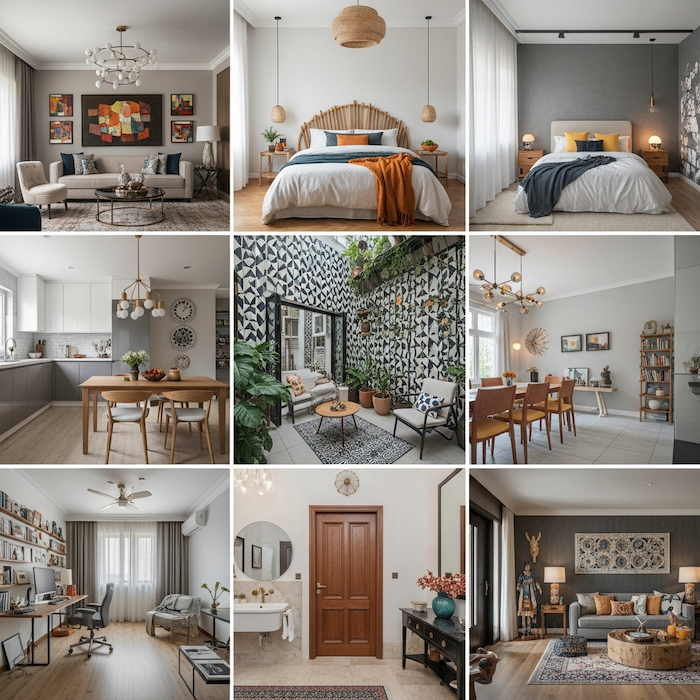
Your space says something about you before you open your mouth. In 2026, Nigerian homeowners are finally saying something worth hearing.
There was a time when "Nigerian interior design" meant centre rugs, glass centre tables, and burgundy leather sofas arranged in a straight line. That era is quietly exiting the room. Across Lagos, Abuja, Port Harcourt, and beyond, a new wave of homeowners — many of them first-time buyers, young professionals, and returning diaspora — are treating their homes as genuine expressions of identity.
Whether you just closed on a property in Lagos, are finishing your build in Abuja, or simply want to breathe new life into your current apartment, these are the 10 interior design ideas that Nigerian homes are actually embracing right now.
1. Afrocentric Art as a Statement, Not an Afterthought
The days of generic landscape paintings from Tejuosho market are numbered. Nigerian homeowners are now commissioning or investing in original works from local artists — bold canvas paintings, Yoruba adire-inspired prints, Igbo ukara patterns framed as wall art, and bronze sculptures nodding to Benin craftsmanship.
Art anchors a room. One large, intentional piece does more than ten random frames. Find your signature piece and build the room around it.
2. Earthy, Warm Colour Palettes
Forget clinical whites and grey everything. The colour story in Nigerian homes right now is warm — terracotta, dusty clay, burnt sienna, deep ochre, and natural cream. These tones reflect the Nigerian landscape and pair beautifully with both natural wood and modern metal accents.
Homeowners in high-rise apartments in Lekki are particularly drawn to this palette because it adds warmth to large, glass-heavy contemporary spaces that can otherwise feel cold.
3. Open-Plan Living Done Properly
Open-plan spaces are not new — but Nigerians are finally learning to zone them intelligently. Instead of one giant room that tries to do everything, the trend is to define areas with rugs, pendant lighting, and furniture placement. The dining area feels like a dining area. The sitting room feels deliberate. The reading nook is actually usable.
If you are buying or building and want a home designed for this kind of intentional living, explore properties for sale in Ikoyi — many of the new builds there are architecturally designed with open-plan living in mind.
4. Natural Materials — Rattan, Wood, Stone
Global design has returned to natural textures, and Nigeria is right there with it. Rattan chairs, woven pendant lights, hardwood dining tables with live edges, and stone countertops are appearing in homes from Asokoro to Lekki. These materials age beautifully, which matters in a climate like ours where lesser materials deteriorate fast.
Homeowners in Asokoro are pairing stone feature walls with warm lighting to stunning effect — it photographs beautifully and creates a grounded, luxurious atmosphere without screaming for attention.
5. Indoor Plants — Finally, Seriously
Nigerians are becoming plant people. Snake plants, monstera, traveller's palms, and peace lilies are appearing in living rooms, home offices, and even bathrooms. Beyond aesthetics, there is growing awareness about air quality — particularly relevant in high-density urban areas where windows are sometimes sealed shut for air conditioning.
A plant costs a few thousand naira. A well-placed large tropical plant in a beautiful pot can transform a corner that no furniture arrangement was fixing.
6. The Nigerian Kitchen Is Getting a Glow-Up
For too long, the Nigerian kitchen was purely functional — tiles from floor to ceiling, one overhead light, a gas cooker, and that was that. Not anymore. Open shelving with curated dishware, pendant lights over kitchen islands, matte black or gold fixtures, and bold backsplash tiles are now features that homeowners plan for from the ground up.
If you are searching for land in Lagos to build your own home, the kitchen layout is one of the first decisions worth getting right — and it pays to think about this before you pour the slab, not after.
7. Smart Storage That Disappears
Nigerian homes — particularly apartments — often have the furniture but not the floor space for it. The response? Built-in storage that blends into the architecture. Floor-to-ceiling wardrobes. TV units with hidden compartments. Beds with drawers underneath. Floating shelves that make rooms feel taller.
This is especially relevant for renters in Abuja and Lagos where square footage comes at a premium. Smart storage is not just aesthetic — it is survival.
8. Mixing Old and New — The Curated Eclectic Look
One of the most exciting things happening in Nigerian interiors is the confident mixing of generations. A grandmother's wooden chest placed beside a minimalist sofa. Antique Hausa leather poufs beside a contemporary coffee table. Traditional hand-woven textiles thrown over a modern daybed.
This is not "confused design" — it is intentional eclecticism, and when done well, it tells a story. Nigerian homes have cultural richness that imported, cookie-cutter design simply cannot replicate. Lean into it.
9. Outdoor and Semi-Outdoor Living Spaces
Nigeria has weather that most of the world would envy — and we have historically wasted it. That is changing. Covered outdoor terraces, balcony gardens, outdoor dining setups, and semi-open lounges are becoming design priorities, particularly in standalone homes and duplexes.
Property buyers in Port Harcourt and Delta State are especially well-positioned here — the lush green environment makes outdoor living an obvious extension of the home, not an afterthought.
10. Purposeful Lighting Design
This might be the single most underrated upgrade in Nigerian home design. Most homes are lit by one overhead bulb per room — and it shows. The shift happening now is layered lighting: a combination of ambient, task, and accent light in every space.
Warm-toned LED strips under kitchen cabinets. A statement pendant over the dining table. A table lamp in the corner of the sitting room that creates intimacy in the evenings. Lighting does not just illuminate a room — it sets the mood. Once you experience a properly lit home, you cannot go back.
A Final Word
Good interior design is not about how much you spend. It is about intentionality — knowing what you want a space to feel like and making deliberate decisions to get there. Nigerian homeowners are increasingly bringing that intentionality to their spaces, and the results are genuinely impressive.
If you are still searching for the right home or land to bring these ideas to life, explore options across Nigeria — from land for sale across Nigeria to ready-to-move-in homes in Abuja. The right space is the first design decision. Everything else follows.
Which of these ideas are you already using at home — and which one are you stealing for your next project?