The Lekki Price Spectrum: An Overview
 SM
SM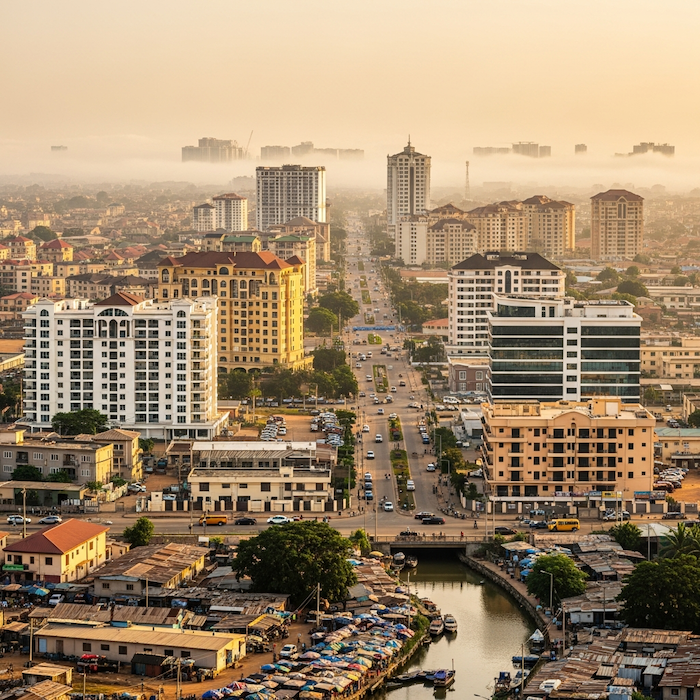
Searching for houses for sale in Lekki, Lagos, without understanding the corridor's geography is like shopping for a car without knowing the difference between economy and luxury trims—the same badge says "Lekki," but the product couldn't be more different.
The Lekki Corridor stretches roughly 50 kilometers, from the established Lekki Phase 1 closest to Victoria Island all the way through Ajah, Sangotedo, Awoyaya, and into the emerging frontier of Ibeju-Lekki. Each zone carries its own price logic, infrastructure level, and risk profile.
📊 Key Stat: the average asking price for residential property in Lekki sits at approximately ₦345,550,000 as of May 2026.
That median, however, masks enormous variation. What costs ₦500m in Phase 1 might cost ₦120m in Sangotedo and ₦60m in Ibeju-Lekki — sometimes for comparable square footage. In practice, "Lekki" is no longer a single real estate market; it's a collection of distinct micro-markets, each demanding its own due diligence.
The most critical starting point? Understanding what the entry-level budget of ₦50m actually unlocks — and where.
Know the corridor first, then the budget: location within Lekki matters as much as the property itself.
1. The ₦50m Reality: Ajah and Sangotedo Entry Points
For buyers exploring houses in Lekki, Lagos, for sale on a tighter budget, ₦50m marks a real but limited entry point. Here's what that budget realistically unlocks—and what it doesn't:
Identify your product type first. At ₦50m–₦60m, expect a 2-bedroom apartment or a compact terraced duplex, typically inside a mini-estate in Ajah or Sangotedo—not a freestanding detached home.
Factor in location trade-offs. These zones sit well beyond the Lekki-Epe Expressway, meaning daily commutes into Lagos Island or Victoria Island can exceed 90 minutes during peak hours.
Answer the self-build question honestly. Can ₦50m build a house? In practice, construction costs alone in Lagos often run ₦40m–₦70m for a basic 3-bedroom shell—excluding land. Buying an off-plan unit in Sangotedo frequently offers better value than self-building at this budget.
Budget Reality: According to Tew Realty, affordable 3 & 4-bedroom duplexes in Ajah and Sangotedo start around ₦50m–₦60m, but almost exclusively within managed mini-estates.
If ₦50m is your ceiling, target Sangotedo mini-estates and prioritize estate security over proximity—you can't have both at this price point.
For buyers who can stretch toward ₦75m–₦190m, a significantly more competitive tier opens up along Orchid Road and Phase 2.
2. The ₦75m–₦190m Mid-Market: Orchid Road and Phase 2
For buyers ready to buy a house in Lekki, Lagos, with a more flexible budget, the Orchid Road corridor and Lekki Phase 2 represent the market's busiest segment — and for good reason.
Orchid Road as the primary hub: 4-bedroom terraced duplexes in the Orchid Road area are priced between ₦75 million and ₦190 million—a wide range that reflects one key variable.
Serviced vs. non-serviced estates: That pricing gap isn't arbitrary. Estates with on-site infrastructure—perimeter fencing, internal roads, drainage, and security—command a significant premium over standalone or partially developed properties. In practice, the "serviced" label alone can add ₦30m–₦50m to a listing price, so buyers should always confirm exactly what that term covers before negotiating.
Young professionals driving demand: This zone has become the default destination for dual-income households and young professionals priced out of Phase 1. Proximity to tech hubs, schools, and the expressway keeps demand — and resale value — consistently strong.
As budgets climb toward ₦200m and above, the market shifts notably toward a different product type entirely: luxury apartments in Lekki Phase 1.
Understand the serviced vs. unserviced distinction before making any offer in this price band.
3. The ₦200m–₦350m Tier: Luxury Apartments in Phase 1
The apartment pivot is the defining reality of this price bracket. Buyers searching for Lekki Phase 1 houses for sale often expect a standalone home—but the land scarcity and premium positioning of Phase 1 mean the market simply doesn't work that way. A ₦300m budget in Lekki Phase 1 typically secures a high-end 2-bedroom serviced apartment, not a detached house.
What that apartment delivers is genuinely impressive:
24-hour generator backup and often solar integration
Elevator access in mid-rise blocks
Rooftop or ground-level swimming pools
Concierge services and gated security
The contrast with further down the expressway is striking. That same ₦300m budget along Orchid Road or Lekki Phase 2—covered in the previous section—could land a spacious 4-bedroom semi-detached with its own compound.
Budget | Phase 1 Offering | Phase 2 / Orchid Offering |
|---|---|---|
₦200m | 1–2 bed serviced apartment | 3-bed semi-detached |
₦300m | 2–3 bed luxury apartment | 4-bed semi-detached duplex |
₦350m | 3-bed penthouse-style unit | 5-bed terrace or small detached |
The tradeoff is location versus space. Phase 1 buyers pay a prestige premium. For those prioritizing square footage and outdoor space over a Phase 1 address, the question becomes: is ₦400m+ enough to unlock a fully detached home anywhere in Lekki?
Remember: in Phase 1, your budget buys an address and amenities—not a standalone house.
4. The ₦400m–₦500m+ Peak: Fully Detached Luxury
At the top of the market for property for sale in Lekki, estates like Ikota, Cowrie Creek, and Lekki County Estate define what true residential luxury looks like in Lagos. The standard offering at this tier is a 5-bedroom fully detached duplex with a BQ and private pool — and asking prices of ₦420m and above are now common across these addresses.
What separates these homes from the luxury apartments in Phase 1 isn't just scale—it's the specification package. Buyers at this level expect:
Smart home automation — app-controlled lighting, climate, and security systems
Backup infrastructure—solar arrays, industrial generators, and water treatment plants
Private pools and landscaped gardens on gated plots
Home theater and gym rooms are standard, not upgrades
24/7 estate security with biometric access and CCTV
In practice, the gap between ₦350m and ₦420m+ is less about square footage and more about finish quality and technology integration. Homes at this level are engineered for comfort independent of public infrastructure.
If your budget clears ₦400m, prioritize estates with proven management structures—the home itself is only part of what you're buying.
The premiums commanded here raise a natural question: which Lekki corridors are actually delivering the strongest long-term returns?
5. Investment Potential: Growth Corridors and ROI
The infrastructure story is what currently separates Lekki from virtually every other Lagos real estate market. The Lekki Deep Sea Port and the Lekki Free Trade Zone are operational catalysts—not future promises—drawing manufacturers, logistics firms, and multinational tenants who all need housing nearby. That demand pressure flows directly into property values across the corridor.
Capital appreciation tells two distinct stories depending on location:
Ibeju-Lekki offers the higher upside. Land and early-stage developments here are riding the infrastructure wave, with property values in Lekki's growth corridors projected to appreciate between 18% and 35% annually, according to BusinessDay Nigeria.
Phase 1 trades raw appreciation for stability—lower percentage gains, but a deeper rental market and faster liquidity when you need to exit.
Rental yields in well-managed serviced apartments remain a compelling play. A furnished two-bedroom unit in Phase 1 can generate ₦4m–₦6m annually, delivering yields that outpace many conventional investment vehicles in the current naira environment.
The growth math is genuinely attractive—but strong returns depend entirely on buying the right asset in the right location. That distinction matters even more when you consider that not every Lekki listing comes with clean fundamentals, which raises some critical due diligence questions worth examining closely.
Prioritize infrastructure-adjacent assets in Ibeju-Lekki for appreciation and Phase 1 serviced units for reliable rental income.
6. Red Flags: Avoiding the 'Sinking House' Trap
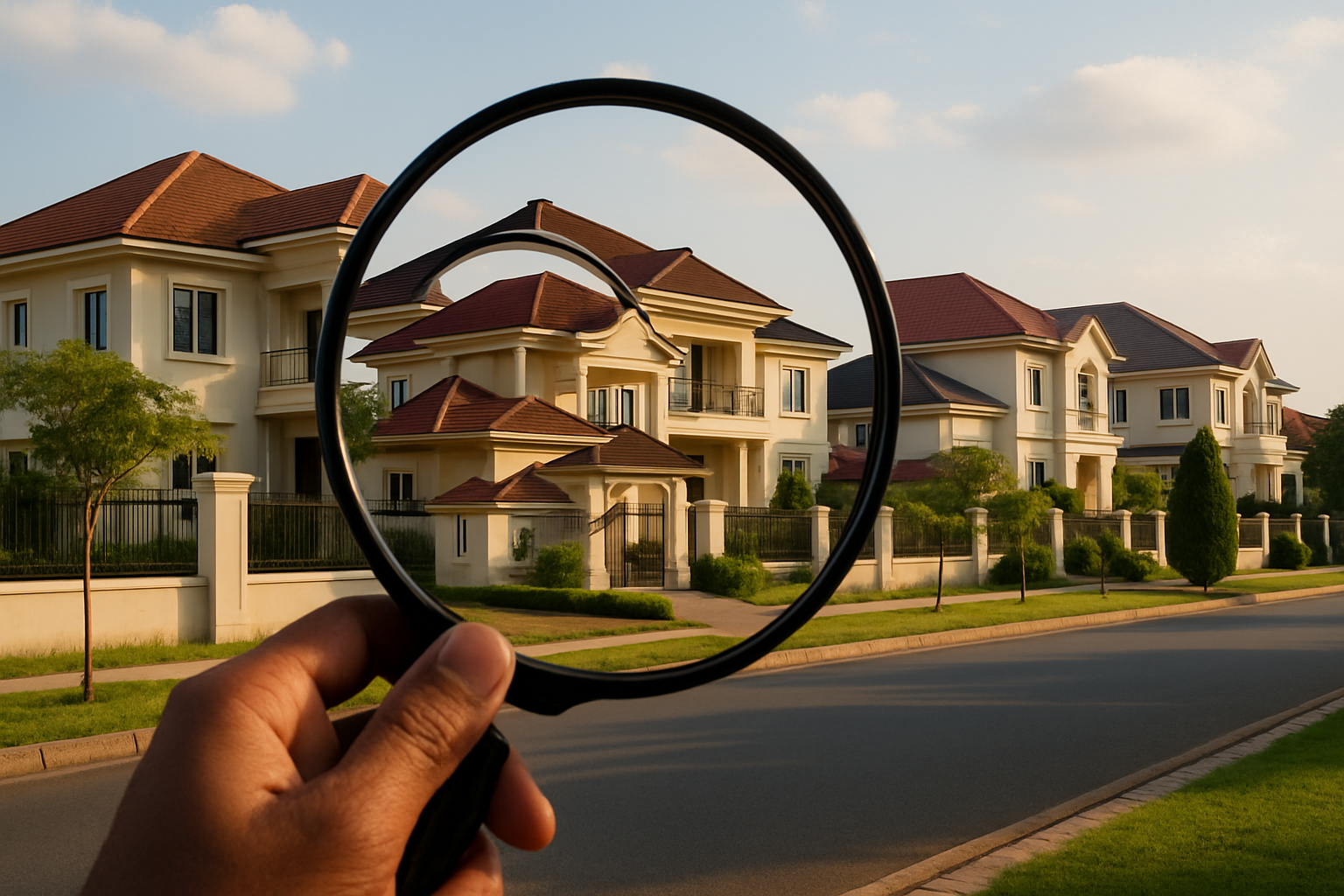
Lekki's explosive growth has a darker side: developments rushed to market on poorly prepared land. A deal that looks attractive at ₦80m in a flood-prone pocket of Phase 2 or along the emerging corridor can quickly become a financial disaster once the foundation begins to shift.
"She bought a ₦240 Million Sinking House in Lekki. Now she is warning others about structural due diligence." — Real Estate Watch, Instagram
This viral cautionary tale is not an isolated incident. A common pattern is that buyers skip independent soil tests and rely solely on the developer's assurances. Watch for these red flags before committing:
Below-market pricing in areas with known drainage problems
No soil test report or a developer who refuses to share one
Unverified title documents—always insist on a Governor's Consent or Certificate of Occupancy, not just a receipt of purchase
Visible lateral cracking on neighboring structures during a site visit
Structural due diligence isn't optional at any price point. A ₦50m apartment and a ₦400m detached home both deserve the same rigorous inspection process.
Before signing anything, commission an independent structural assessment and title verification—no price point exempts you from this step.
Key Takeaways for Lekki Homebuyers
Buying houses for sale in Lekki rewards buyers who enter with clear expectations and disciplined due diligence. Here's what every serious buyer should carry into the market:
₦50m is the floor. Budgets below this threshold realistically access only outskirt apartments—compact, serviceable units, but far from prime Lekki.
Phase 1 is apartment-first under ₦350m. Standalone houses in this corridor now command premiums that push most mid-range budgets squarely into the apartment segment. Adjust expectations accordingly.
Up to 35% annual appreciation has been recorded along high-growth corridors, driven by port infrastructure and freeway access — making Lekki one of Lagos's strongest investment plays right now.
Structural verification is non-negotiable. Flooding risk, subsidence, and rushed foundations affect properties at every price point. An independent structural engineer isn't optional—it's the difference between an asset and a liability.
On the other hand, buyers who skip due diligence, chasing attractive list prices, routinely absorb costs that dwarf any initial savings.
Before signing anything, verify the land, inspect the structure, and match your budget honestly to what each phase actually delivers.