Exploring Ibadan: Complete Guide to Nigeria's Cultural Heart & Top Attractions
 SM
SM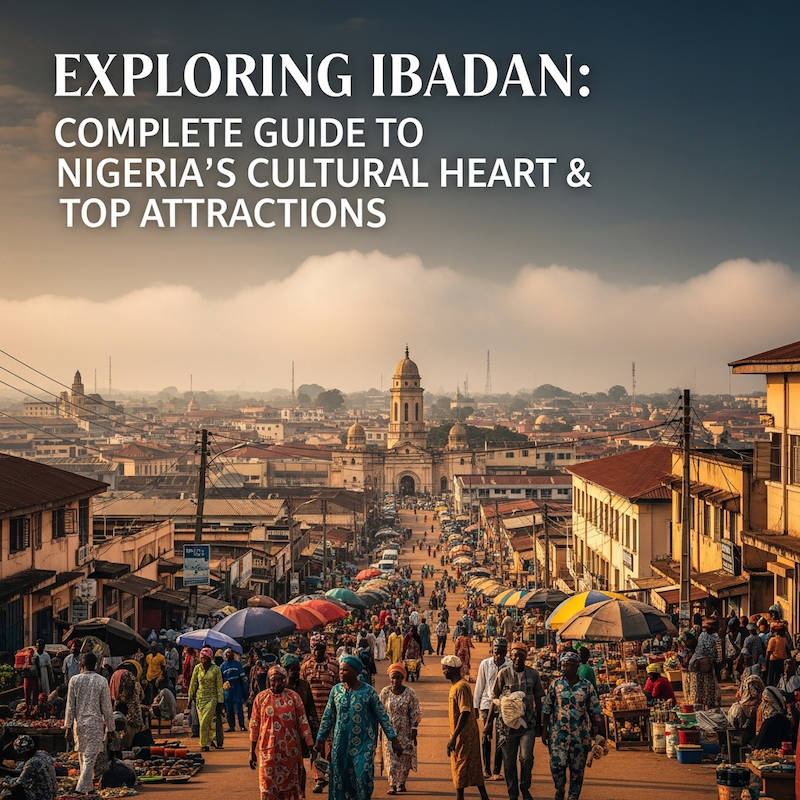
Welcome to Ibadan, Nigeria's largest city by land area and a vibrant tapestry woven with history, culture, and undeniable charm. Nestled amidst a series of rolling hills, this ancient city offers a captivating blend of tradition and modernity. For anyone keen on exploring Ibadan, you're embarking on a journey into the heart of Yoruba heritage, where every street corner tells a story and every market pulsates with life. Often referred to as the "Cultural Heart of Nigeria," Ibadan promises an authentic African experience, rich in historical landmarks, bustling markets, and a culinary scene that will tantalize your taste buds. This comprehensive guide will navigate you through its storied past, iconic attractions, and the unique experiences that make Ibadan a truly unforgettable destination.
Ibadan's Storied Past: A Glimpse into History
Ibadan's history is as fascinating as its landscape. Founded in the 19th century by Yoruba warriors, it quickly grew from a war camp into a formidable military and commercial hub. Its strategic location, surrounded by seven hills, provided natural defenses and made it a crucial center during the inter-tribal wars of the Yoruba kingdom. Unlike many other Yoruba cities with traditional monarchies, Ibadan emerged as a military aristocracy, where power was earned through valor and leadership on the battlefield. This unique origin story shaped its robust, resilient character.
The city played a pivotal role in the Oyo Empire's decline and the subsequent rise of independent Yoruba states. During the colonial era, Ibadan became a significant administrative and educational center under British rule, further cementing its importance in Nigeria's development. Remnants of this rich history are visible in its architecture, from the colonial-era buildings to the traditional compounds that still stand, offering a tangible connection to its profound past. Understanding this historical context is key to truly appreciating the depth and resilience of the city as you begin your journey of exploring Ibadan.
Iconic Landmarks and Must-Visit Attractions
Ibadan boasts a plethora of landmarks that tell its story and offer breathtaking views or cultural insights. These sites are essential for any visitor seeking to understand the city's essence.
Bower's Tower: Panoramic Vistas
Perched atop one of Ibadan's highest hills, Bower's Tower offers an unparalleled 360-degree panoramic view of the entire city. Erected in 1936 in honor of Captain Robert Lister Bower, the first British Resident in Ibadan, this historic monument provides a stunning perspective of Ibadan's sprawling landscape, from its traditional red-roofed houses to its modern high-rises. It's an ideal spot for photography enthusiasts and those seeking a moment of tranquility above the urban bustle.
Cocoa House: A Symbol of Economic Prowess
Standing tall as Nigeria's first skyscraper, Cocoa House is a testament to the region's agricultural wealth, particularly its cocoa production, which was once the backbone of the Western Region's economy. Completed in 1965, this 25-story building symbolizes the ingenuity and economic prosperity of the Yoruba people. While primarily a commercial building, its historical significance makes it a landmark worth noting for its architectural prowess and what it represents for Nigeria's economic past.
Mapo Hall: Colonial Grandeur and Civic Life
Mapo Hall is an impressive colonial-era building that serves as a historic town hall and civic center. Built in 1929, its classical Greco-Roman architecture stands majestically on Mapo Hill, overlooking the city. Historically, it has been the venue for significant political rallies, cultural events, and traditional ceremonies. Its grand facade and commanding presence make it a powerful symbol of Ibadan's governance and cultural heritage. [INTERNAL_LINK: History of Mapo Hall]
University of Ibadan: Nigeria's Premier Intellectual Hub
Established in 1948, the University of Ibadan (UI) is Nigeria's oldest and most prestigious university. Its sprawling, serene campus is a beautiful green oasis, home to diverse academic faculties, research institutes, and a vibrant student community. A stroll through UI offers a glimpse into Nigeria's intellectual life, with its impressive architecture, botanical gardens, and various cultural centers. It's a place where many of Nigeria's leaders and thinkers have been shaped.
Agodi Gardens: Nature's Retreat
For those seeking respite from the city's hustle, Agodi Gardens provides a lush, expansive recreational park. Featuring a lake for boating, a mini-zoo, swimming pools, and beautiful manicured lawns, it's a perfect spot for family picnics, leisurely strolls, or simply enjoying nature. The revitalization of Agodi Gardens has transformed it into a modern, well-maintained leisure destination, making it a popular escape for locals and visitors alike.
Immersing in Ibadan's Vibrant Culture and Cuisine
No journey of exploring Ibadan is complete without diving deep into its rich cultural fabric and savoring its distinctive culinary delights. The city is a sensory feast, offering authentic experiences that connect you directly to the Yoruba way of life.
Bustling Markets: The Heartbeat of Commerce
Ibadan's markets are legendary for their sheer size, variety, and vibrant atmosphere. Oja'ba Market and Dugbe Market are prime examples, offering everything from traditional textiles, spices, and crafts to fresh produce and local remedies. These markets are not just places of commerce; they are social hubs where the rhythm of daily life unfolds. Haggling is part of the experience, and the sights, sounds, and smells create an unforgettable immersion into local culture. [INTERNAL_LINK: Guide to Nigerian Markets]
Yoruba Heritage and Festivals
Ibadan is a stronghold of Yoruba culture, evident in its language, music, art, and traditions. Visitors may encounter local festivals, traditional ceremonies, or art exhibitions showcasing the intricate beauty of Yoruba craftsmanship. The city's numerous art galleries and cultural centers often host events that provide deeper insights into the indigenous heritage.
Gastronomic Delights: A Taste of Ibadan
Ibadan's food scene is a highlight for any visitor. The undisputed king of Ibadan cuisine is Amala, a staple made from yam flour, typically served with a rich, flavorful soup like Gbegiri (bean soup) and Ewedu (jute leaf soup), often accompanied by various meats (goat meat, beef, or assorted offal). This hearty dish is a must-try for an authentic Ibadan experience. Other local delicacies include "Abula" (a combination of Amala, Gbegiri, and Ewedu), "Moin-Moin" (steamed bean pudding), and various pepper soups. Don't shy away from trying street food, often freshly prepared and incredibly delicious.
Education, Commerce, and Modern Development
Beyond its historical and cultural allure, Ibadan stands as a significant center for education and commerce in Nigeria, constantly evolving while retaining its traditional roots.
A Hub of Learning and Innovation
The presence of the University of Ibadan and other prominent institutions like The Polytechnic, Ibadan, solidifies the city's reputation as a major educational hub. These institutions attract students from across Nigeria and beyond, fostering an environment of intellectual growth and innovation. The city benefits from a vibrant youth population and a steady influx of new ideas and research.
Economic Vibrancy and Growth
Historically, Ibadan's economy was driven by agriculture, particularly cocoa. While agriculture remains important, the city has diversified into various sectors. It serves as a major commercial center for the surrounding agricultural regions, with bustling wholesale and retail trade. Small and medium-sized enterprises thrive, alongside a growing presence of modern businesses and service industries. The development of shopping malls like The Palms Mall and Heritage Mall reflects its growing urban sophistication and consumer market.
Sports and Entertainment
Ibadan also caters to sports enthusiasts and those seeking modern entertainment. The Lekan Salami Stadium (Adamasingba Stadium) is a prominent multi-purpose stadium, hosting football matches and other sporting events. The city also offers various cinemas, restaurants, and lounges that provide contemporary entertainment options, showcasing its blend of traditional charm with modern urban conveniences.
Practical Tips for Exploring Ibadan
To ensure a smooth and enjoyable trip while exploring Ibadan, consider these practical tips:
Getting There: Ibadan has its own airport (Ibadan Airport, Gbadamosi Adegoke Airport), with domestic flights connecting it to major Nigerian cities. Alternatively, it's a relatively short and well-traveled road trip from Lagos, often taking 1.5 to 2.5 hours depending on traffic.
Getting Around: Taxis, ride-hailing services (Bolt, Uber), and tricycles (Keke Napep) are readily available for navigating the city. For longer distances or specific tours, hiring a car with a driver is a convenient option.
Accommodation: Ibadan offers a range of accommodation options, from budget-friendly guesthouses to luxury hotels, catering to different preferences and budgets. Consider staying in areas like Bodija or New Bodija for easier access to amenities.
Best Time to Visit: The dry season (November to March) is generally the most comfortable time to visit, with less humidity and pleasant weather for outdoor activities.
Safety: Like any large city, it's advisable to be aware of your surroundings, avoid walking alone at night in unfamiliar areas, and keep valuables secure. Engaging with reputable local guides can enhance safety and provide deeper insights.
Language: While Yoruba is the predominant language, English is widely spoken, especially in commercial areas and among educated locals, so communication should not be an issue.
Conclusion: Experience the Unforgettable Charm of Ibadan
Exploring Ibadan is an adventure that promises a rich tapestry of experiences, from delving into its profound historical narratives and marveling at its iconic landmarks to immersing yourself in its vibrant cultural scene and savoring its unique culinary delights. As Nigeria's cultural heart, Ibadan offers a genuine glimpse into the soul of the Yoruba people, blending ancient traditions with a steadily evolving modernity. Its welcoming atmosphere, coupled with its diverse attractions, makes it a compelling destination for history buffs, culture enthusiasts, and adventurous travelers alike. Don't just read about it; experience the unforgettable charm of Ibadan for yourself. Start planning your adventure to this incredible city today and discover why it holds such a special place in the heart of Nigeria.
Frequently Asked Questions
What is Ibadan famous for?
Ibadan is famous for being Nigeria's largest city by land area, its rich Yoruba cultural heritage, its numerous hills, and its historical significance as a major trading and administrative center during the colonial era. It's also known for being home to Nigeria's first university, the University of Ibadan, and its iconic red-roofed houses.
Is Ibadan safe for tourists?
Ibadan is generally considered safe for tourists, especially in well-known areas and during the day. However, like any large city, it's advisable to take standard precautions: be aware of your surroundings, avoid walking alone at night in unfamiliar areas, and keep valuables out of sight. Using reputable transportation services is also recommended.
What are the top attractions to visit in Ibadan?
Key attractions include Bower's Tower for panoramic views, Mapo Hall for its colonial architecture and historical significance, Cocoa House (Nigeria's first skyscraper), the University of Ibadan campus, and the recreational Agodi Gardens. The bustling local markets like Oja'ba and Dugbe also offer a unique cultural experience.
What local food should I try in Ibadan?
You absolutely must try Amala served with Gbegiri (bean soup) and Ewedu (jute leaf soup), often accompanied by assorted meats. This is the quintessential Ibadan dish. Other popular local foods include Moin-Moin, various pepper soups, and local snacks available in markets.
How do I get around Ibadan?
To get around Ibadan, you can use traditional taxis, ride-hailing services like Bolt and Uber, or tricycles (Keke Napep) for shorter distances. For convenience and exploring multiple sites, hiring a car with a driver for the day is often a good option.
What is the best time of year to visit Ibadan?
The best time to visit Ibadan is during the dry season, which typically runs from November to March. During these months, the weather is generally cooler and less humid, making it more comfortable for sightseeing and outdoor activities.
Is English widely spoken in Ibadan?
Yes, while Yoruba is the primary local language, English is widely spoken and understood, especially in commercial areas, hotels, and among educated individuals. You should have no trouble communicating in English during your visit.