Best Areas to Buy Property in Lagos: Top Locations for Buyers, Investors, and Land Banking
 SM
SM
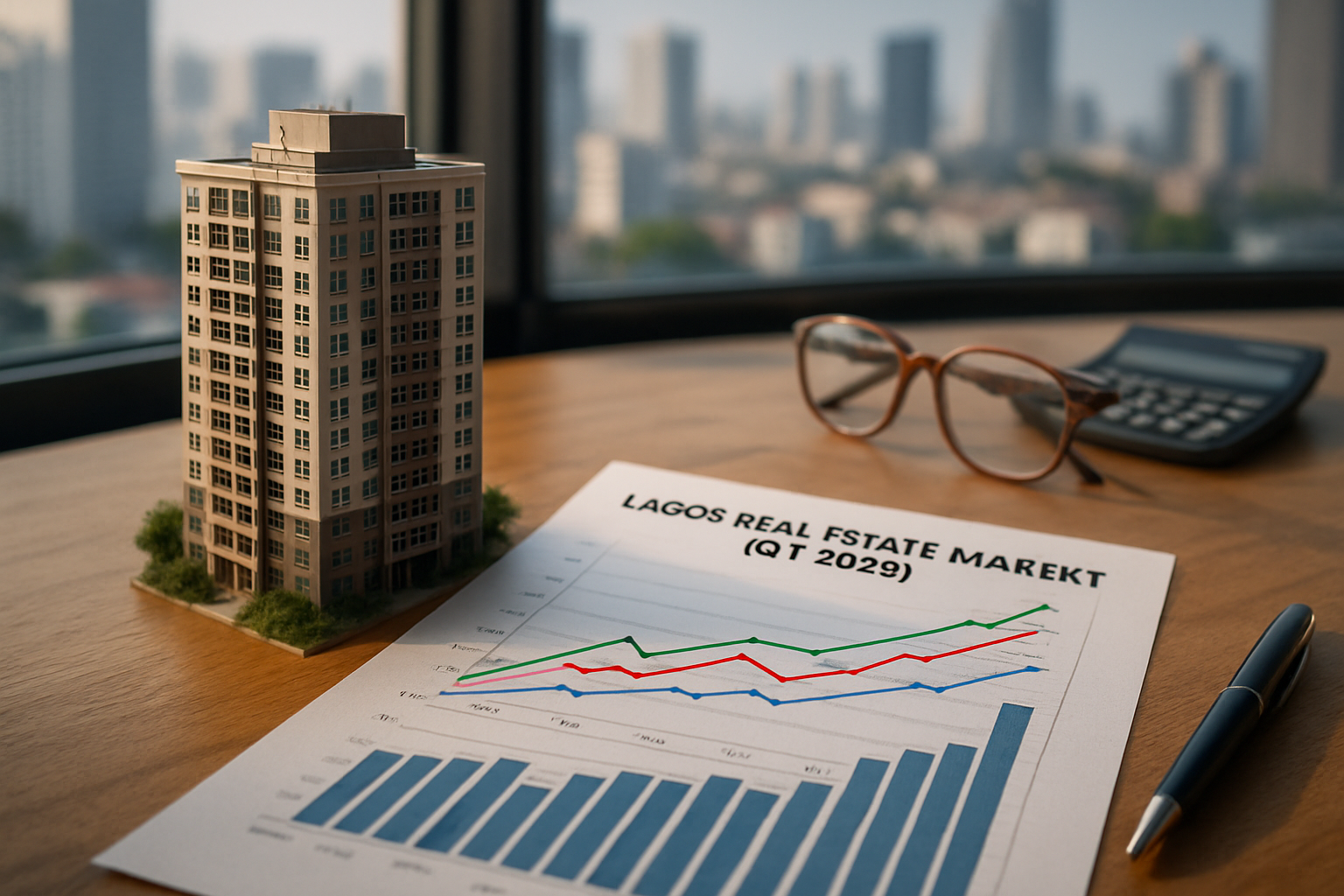
Lagos remains Nigeria’s biggest property magnet, so it is no surprise that many buyers start with one practical question: what is the best area to buy property in Lagos? The answer depends on your budget, timeline, and reason for buying. A young professional looking for rental income will not shop the same way as a family planning to build a home, and neither will think like a land banker targeting long-term appreciation.
What makes Lagos different is the range. You have premium districts with established infrastructure, fast-growing corridors where prices are still climbing from a lower base, and emerging outskirts where patient investors can secure land before major development arrives. That variety creates opportunity, but it also increases risk if you buy on hype alone.
A smart purchase in Lagos usually comes down to five things: location quality, title security, infrastructure, rental demand, and exit potential. In this guide, we will break down the areas that consistently stand out, what each one is best for, and how to evaluate them with a clear head before committing your money.
Ikoyi and Victoria Island: Best for Premium Property and Capital Preservation
If your priority is prestige, strong resale appeal, and relatively resilient property values, Ikoyi and Victoria Island sit near the top of the list. These districts have long been associated with corporate offices, diplomatic residences, luxury apartments, and high-income tenants. For buyers with substantial budgets, they remain among the safest places in Lagos to preserve capital in real estate.
Ikoyi, especially around Banana Island, Parkview, and Osborne, attracts buyers looking for exclusivity and low-density living. Victoria Island, by contrast, blends residential and commercial demand. That mix can work well for investors targeting executive rentals, short-let units, or mixed-use assets in strategic locations.
Why these areas keep attracting money:
Strong brand value and buyer confidence
Better road networks and urban services than many newer districts
Consistent demand from expatriates, executives, and established businesses
Higher liquidity at the top end of the market compared with fringe locations
That said, premium addresses come with premium entry costs. Yields may not always be the highest in percentage terms, especially if you overpay for a luxury development with steep service charges. Due diligence matters just as much here as anywhere else.
For broader context on Lagos as Nigeria’s commercial center, the Encyclopaedia Britannica overview of Lagos is a useful starting point. If you are buying in Ikoyi or Victoria Island, focus on title verification, building quality, flood history, and realistic rental assumptions rather than glossy marketing brochures.
Lekki Phase 1 and Oniru: Best for Rental Demand and Mid-to-Upper Market Buyers
For many people asking about the best area to buy property in Lagos, Lekki Phase 1 and Oniru are the first places worth serious attention. They hit a sweet spot between prestige and practicality. You still get strong demand, modern estates, and access to major commercial zones, but often at a lower entry point than prime Ikoyi.
Lekki Phase 1 has matured into one of Lagos’s most active residential markets. It appeals to professionals, entrepreneurs, and families who want relative convenience without moving too far from the Island’s business districts. Oniru, with its proximity to Victoria Island and the Lekki corridor, also benefits from steady demand for apartments and serviced homes.
These areas are especially attractive for:
Buy-to-let investors targeting young professionals and corporate tenants
Short-let operators in carefully selected buildings and streets
Owner-occupiers who want a balance of lifestyle and long-term value
Developers building compact apartments for the middle and upper-middle market
The key advantage here is depth of demand. Even when the market slows, there is usually still a pool of renters and buyers searching in these neighborhoods. That helps support occupancy and resale prospects.
Still, not every street performs equally. Traffic patterns, drainage, power reliability, and estate management can significantly affect value. Before buying, compare service charge levels, vacancy trends, and actual achieved rents rather than advertised figures. How to evaluate rental yield before buying property in Lagos
Ajah, Sangotedo, and Abraham Adesanya: Best for Growth Buyers and Family Homes
If your budget does not stretch to core Island locations, the Ajah-Sangotedo-Abraham Adesanya corridor often offers one of the best combinations of affordability, livability, and upside. This stretch has grown from a fringe option into a mainstream buying destination for middle-income households, first-time buyers, and investors who want a more accessible entry point.
One reason demand has remained strong is simple: people can still find relatively modern estates, terraces, and plots at prices below Lekki Phase 1. For families, that matters. So does the fact that many estates in this corridor are planned with internal roads, security, and a neighborhood structure that feels more manageable than older parts of Lagos.
Why this corridor stands out:
More attainable pricing for apartments, terraces, and land
Expanding residential communities with visible population growth
Ongoing commercial development around malls, schools, and services
Better fit for medium-term appreciation than already fully priced districts
The corridor also benefits from wider development in the Lekki axis. Major infrastructure conversations, industrial activity, and population movement continue to shape demand. The World Bank urban development resources offer helpful context on how infrastructure and urban expansion influence property values over time.
This is not a “buy anything and win” market, though. Some estates suffer from poor drainage, weak access roads, or title issues. Others are priced as if they are already Lekki Phase 1. The best purchases here usually come from buying in a functional estate, close to key roads, with verified documentation and realistic expectations about holding period.
Ibeju-Lekki: Best for Land Banking and Long-Term Speculative Upside
For buyers focused on land banking, Ibeju-Lekki remains one of the most talked-about property corridors in Lagos. Interest in the area has been driven by large-scale industrial and infrastructure projects, including the Lekki Deep Sea Port and the broader development of the Lekki Free Zone, which is supported by the Nigerian Export Processing Zones Authority. These projects have helped shape the long-term growth story around the axis.
The appeal is clear: compared with built-up prime districts, land in parts of Ibeju-Lekki can still be acquired at a lower entry price. That makes it attractive to patient investors who are willing to hold for several years rather than expecting immediate rental cash flow.
Ibeju-Lekki may suit you if you are:
Buying land primarily for appreciation
Comfortable with a long investment horizon
Able to verify title and survey details carefully
Selective about proximity to major roads and confirmed development nodes
But this is also where many buyers make costly mistakes. The area has seen aggressive marketing, speculative pricing, and, in some cases, questionable claims about exact locations or title status. “Near the refinery” can mean very different things on the ground.
If you are considering Ibeju-Lekki, insist on physical inspection, charting, and legal review. Ask what exactly is driving value in that specific parcel today, not just what may happen eventually. Documents to verify before buying land in Nigeria In this market, disciplined due diligence matters more than excitement.
Surulere, Yaba, and Ikeja: Best for Practical Living and Steady Urban Demand
Not every smart property purchase in Lagos has to be on the Island. Surulere, Yaba, and Ikeja remain strong options for buyers who value centrality, everyday convenience, and broad-based demand. These neighborhoods have long histories, established communities, and easier access to major business, education, and transport nodes than many outer corridors.
Yaba stands out for its mix of residential demand, student presence, and growing tech-business relevance. Its location near the Mainland’s academic and commercial institutions keeps occupancy relatively healthy for well-positioned apartments. Ikeja, as the Lagos state capital area and a major business hub, offers both residential and commercial appeal. Surulere continues to attract families and working professionals who want a more central base.
These areas are often ideal for:
Buyers seeking lower entry prices than prime Island districts
Investors targeting stable, everyday rental demand
Families who prioritize access over prestige branding
Commercial or mixed-use buyers in strategic pockets
The Lagos State Government portal can be useful for checking planning and public policy context, while the Nigeria Mortgage Refinance Company provides insight into the broader housing finance environment.
The trade-off is that stock quality varies widely. Some buildings are older and need serious renovation. Parking, drainage, and neighborhood congestion can also affect tenant appeal. Still, for buyers who understand the local micro-market, these Mainland districts can offer something flashy locations sometimes do not: practical value backed by real, recurring demand.
Frequently Asked Questions
Is Lekki the best area to buy property in Lagos?
Lekki is one of the strongest all-round options because it combines lifestyle appeal, rental demand, and long-term growth. But it is not automatically the best for everyone. If you want luxury and capital preservation, Ikoyi may fit better. If you want lower entry prices or land banking, Ajah or Ibeju-Lekki may make more sense.
Which area in Lagos is best for land banking?
Ibeju-Lekki is widely seen as the leading land banking corridor because of ongoing infrastructure and industrial development. Still, buyers should be careful. Not every plot will appreciate equally, and title problems are common in poorly vetted deals. The best land banking purchases usually combine verified documents, access roads, and proximity to real development activity.
What is the safest way to buy property in Lagos?
Start with title verification, physical inspection, and a qualified property lawyer. Confirm the survey, ownership history, excision or governor’s consent status where relevant, and whether the land is under acquisition. Also check drainage, access, and neighborhood demand. In Lagos, a cheap property with weak documentation can become far more expensive than a well-vetted purchase.
Is the Mainland better than the Island for property investment?
Neither is better in every case. The Island often offers stronger prestige and higher-value demand, while the Mainland can provide better entry prices and dependable occupancy in established neighborhoods. Your ideal choice depends on whether you want rental yield, long-term appreciation, owner-occupier convenience, or speculative land banking. The winning strategy is matching location to your exact goal.
Conclusion
The best area to buy property in Lagos depends less on hype and more on fit. Ikoyi and Victoria Island work best for premium buyers seeking capital preservation. Lekki Phase 1 and Oniru suit investors chasing strong rental demand. Ajah, Sangotedo, and Abraham Adesanya offer a practical middle ground for families and growth buyers. Ibeju-Lekki is the clear land banking play, while Surulere, Yaba, and Ikeja remain dependable for central, everyday demand.
The smartest buyers do not ask only, “Where is hot?” They ask, “What location matches my budget, risk tolerance, and exit plan?” That shift in thinking can save millions.
Before you commit, inspect the property, verify the title, and pressure-test the numbers. If you want the best outcome, start with a shortlist of two or three neighborhoods and compare them carefully before making your move.